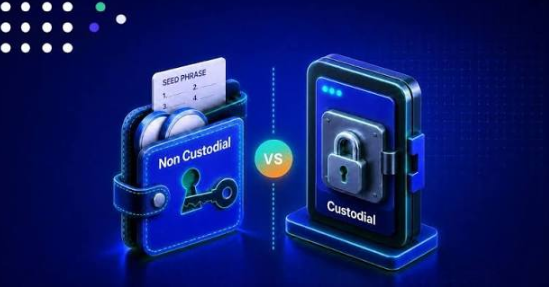

Custodial wallets entrust control to a third party, offering convenience and recovery options but adding centralized risk and governance limits. Non-custodial wallets place keys under the user’s sole responsibility, delivering sovereign control and resilience at the expense of recovery friction and higher technical demands. The choice frames risk tolerance, recovery timelines, and governance needs. The balance between autonomy and safeguards shapes practical setups and ongoing operational considerations, inviting careful assessment before committing to a path.
Custodial vs Non-Custodial Wallets: What They Mean for You
Custodial and non-custodial wallets represent two fundamental models for user control over digital assets.
The discussion analyzes tradeoffs between custodial wallets and non custodial wallets, focusing on access, risk, and responsibility.
In practical terms, custody arrangements influence recovery options, governance, and resilience.
Freedom-seeking users weigh convenience against autonomy, balancing trusted services with personal sovereign control and technical literacy.
See also: The Difference Between Cryptocurrency Trading and Investing
Security, Privacy, and Control: How They Differ by Wallet Type
Security, privacy, and control diverge across wallet architectures due to where keys reside, how access is authenticated, and the scope of user governance.
The analysis highlights security tradeoffs inherent in custody models versus user-managed keys, and notes privacy implications tied to data visibility and third-party access.
Findings emphasize measured choices balancing autonomy, accountability, and resilience within diverse security postures.
A Practical Decision Framework: Choose Wallets by Risk and Goal
A practical decision framework for wallet selection evaluates risk exposure and financial goals by aligning wallet architecture with user requirements. The framework emphasizes custody implications and recovery processes, mapping each option to potential loss, recovery timelines, and governance needs. It remains cautious about immutable mistakes, prioritizing portability and auditable controls, enabling freedom-minded users to balance autonomy with verifiable safeguards and resilience.
Real-World Setups and Best Practices for Each Wallet Type
How do real-world deployment patterns align with the distinct risk profiles of custodial and non-custodial wallets, and what practical configurations maximize security and recoverability?
In practice, custodial setups trade speed for centralized risk management, while non custodial sovereignty demands robust key management and layered backups.
Recommended: multi-signature access, hardware security modules, and clear recovery protocols to mitigate custodial tradeoffs.
Conclusion
In the end, custodial and non-custodial wallets echo ancient tensions between guardianship and autonomy. Like a prudent treasury and a lone navigator, each system offers distinct safeguards and risks. The prudent choice balances entrusted oversight with self-sovereignty, recognizing that accountability and recovery timelines hinge on governance. As in cryptic literature, the key lies not in absolutes but in alignment—risk tolerance, goals, and discipline—woven into a framework that withstands shifting landscapes of privacy and access.